
Horse Nutrition: A Practical Guide to Feeding Horses Properly
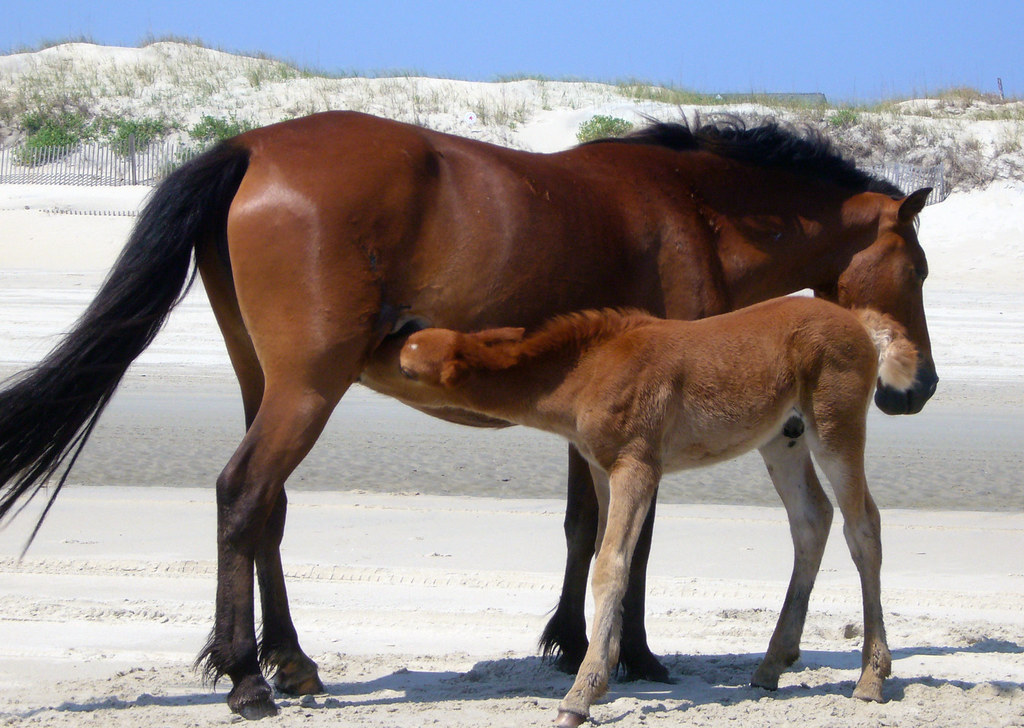
Good horse nutrition begins with understanding how horses naturally eat and how their nutritional needs change according to age, activity, environment, and overall condition. A balanced feeding program can support energy, healthy body condition, performance, and general wellbeing.
At Never Done Farm, our approach to horse nutrition starts with the basics: quality forage, clean water, appropriate feed, and careful observation.
Make Forage the Foundation
Forage is usually the most important component of a horse’s diet. Depending on the management system, horses may obtain forage from pasture, hay, or a combination of both.
Good-quality forage supplies fiber and encourages the natural grazing behavior for which horses are designed.
Hay should be checked for excessive dust, mold, foreign material, or deterioration before feeding. Pastures should also be managed carefully to maintain suitable grazing conditions and reduce exposure to harmful plants.
The amount and type of forage required can vary considerably between horses.
Provide Constant Access to Fresh Water
Hydration is a fundamental part of horse nutrition.
Horses should have reliable access to clean, fresh drinking water. Water requirements can increase during hot weather, exercise, lactation, or when horses consume dry forage.
Buckets, troughs, and automatic watering systems should be inspected and cleaned regularly.
Reduced water consumption deserves attention because adequate hydration supports normal body functions and digestion.
Use Concentrates Carefully
Some horses can maintain healthy body condition primarily through suitable forage, while others may need additional calories or nutrients.
Commercial horse feeds and concentrates can help meet these requirements, particularly for growing horses, breeding animals, seniors, or horses performing demanding work.
However, more feed is not automatically better.
A feeding plan should consider the horse’s workload, body condition, forage quality, and individual requirements. Large dietary changes should generally be made gradually rather than suddenly.
Understand Vitamins, Minerals, and Supplements
Minerals such as calcium, phosphorus, sodium, and other nutrients contribute to normal equine body functions. The nutrients supplied by forage vary according to soil, plant type, harvesting, storage, and other factors.
Salt may also form part of an appropriate feeding program.
Horse supplements are widely available, but owners should avoid adding multiple products without understanding whether they are necessary. Excessive supplementation can create nutritional imbalances.
Professional advice can be particularly useful when creating diets for horses with unusual nutritional requirements.
Monitor Body Condition
A feeding program should be reviewed regularly rather than treated as permanent.
Observe changes in body condition, weight, coat quality, appetite, energy, and performance. Seasonal pasture changes, increased training, aging, illness, and changes in workload can all affect nutritional requirements.
Keeping simple feeding records can make these changes easier to track.
Feed the Individual Horse
There is no universal horse diet that works perfectly for every animal. A young performance horse, retired senior, broodmare, and recreational trail horse may all require different approaches.
Start with quality forage and water, then adjust the feeding program according to individual needs and professional guidance where appropriate.
For more information about caring for horses, training, riding, and equestrian life, visit the Never Done Farm homepage.