
Horse Gear & Equipment: A Practical Guide for Riders and Horses
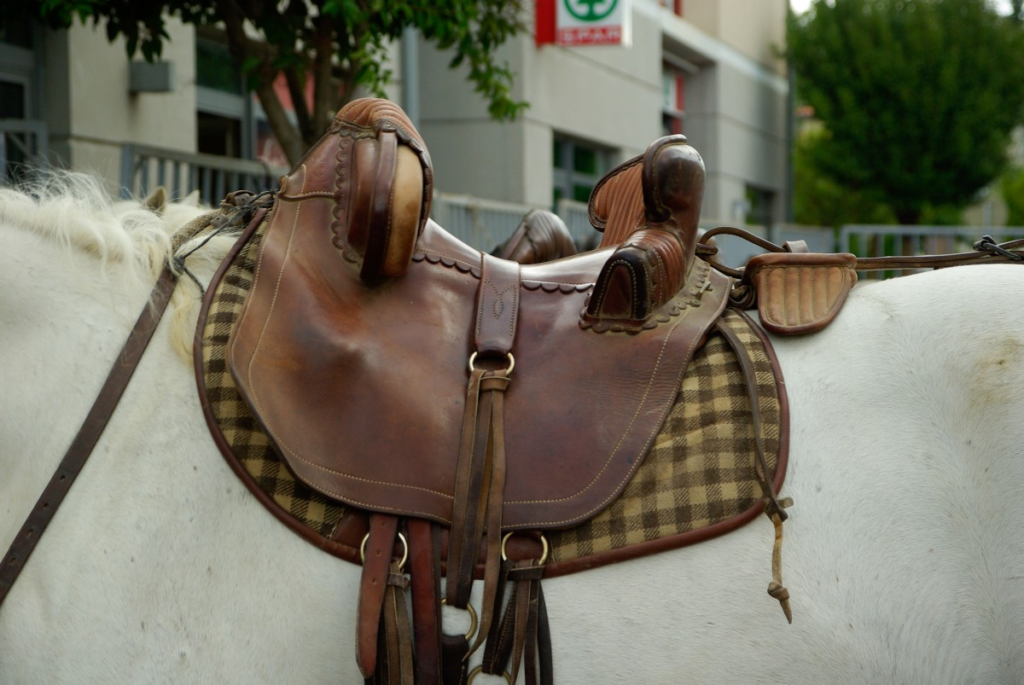
The right horse gear and equipment can make riding, training, and everyday horse management safer and more comfortable. From saddles and bridles to riding helmets, boots, grooming equipment, and stable accessories, every item should have a clear purpose and suit both the horse and rider.
At Never Done Farm, we believe equestrian equipment should be selected for fit, function, comfort, and durability rather than appearance alone.
Choosing the Right Equestrian Equipment
Horse equipment varies considerably depending on the type of riding you do.
A recreational trail rider may need different equipment from someone involved in dressage, jumping, eventing, or competitive equestrian sports. However, some principles remain the same regardless of discipline.
Equipment should:
- Fit correctly
- Be appropriate for its intended use
- Be regularly inspected
- Be comfortable for horse and rider
- Remain clean and in good working condition
Buying expensive equipment does not automatically guarantee that it is suitable. Correct sizing and fit are often more important than price or brand.
Saddles, Bridles and Tack
The saddle and bridle are among the most important pieces of horse riding equipment.
A saddle should distribute the rider’s weight appropriately while allowing the horse to move comfortably. Because horses can change shape as their fitness, weight, age, and muscle development change, saddle fit should be reviewed periodically.
The British Horse Society also emphasizes the importance of correctly fitted tack for the comfort and safety of both horse and rider.
For a deeper look at choosing, fitting, maintaining, and inspecting riding equipment, read our Saddles & Tack guide.
Riding Apparel and Protective Equipment
The rider also needs appropriate equipment.
A properly fitted riding helmet is one of the most important pieces of protective riding apparel. Suitable boots, riding pants, gloves, and weather-appropriate clothing can improve comfort and help riders maintain effective communication with their horse.
Different equestrian disciplines may require specialized clothing or protective equipment.
Our Riding Apparel guide explains the essential clothing riders should consider for training, recreational riding, and equestrian sport.
Check Equipment Regularly
Even good-quality equipment wears over time.
Leather can crack, stitching can weaken, buckles can become damaged, and synthetic materials can deteriorate. Riders should inspect tack before use, paying particular attention to areas that experience significant pressure.
Clean equipment according to the manufacturer’s recommendations and store it somewhere dry and well ventilated.
Helmets and other safety equipment should also be inspected and replaced when appropriate, particularly after significant impact.
Consider Your Horse’s Comfort
Equipment should never compensate for inadequate training or discomfort.
If a horse suddenly resists saddling, bridling, mounting, or normal ridden work, consider whether the equipment fits correctly as part of the wider assessment.
Overall health, hoof condition, training, fitness, and behavior may also influence performance.
Our Horse Care guide provides additional information about maintaining a horse’s overall wellbeing.
Good equipment works with the horse rather than against it. Choosing gear carefully, maintaining it properly, and regularly checking its fit can contribute to a safer and more enjoyable riding experience.
Explore more equestrian guides and practical resources on the Never Done Farm homepage.