
Horse Training: Building Better Communication With Your Horse
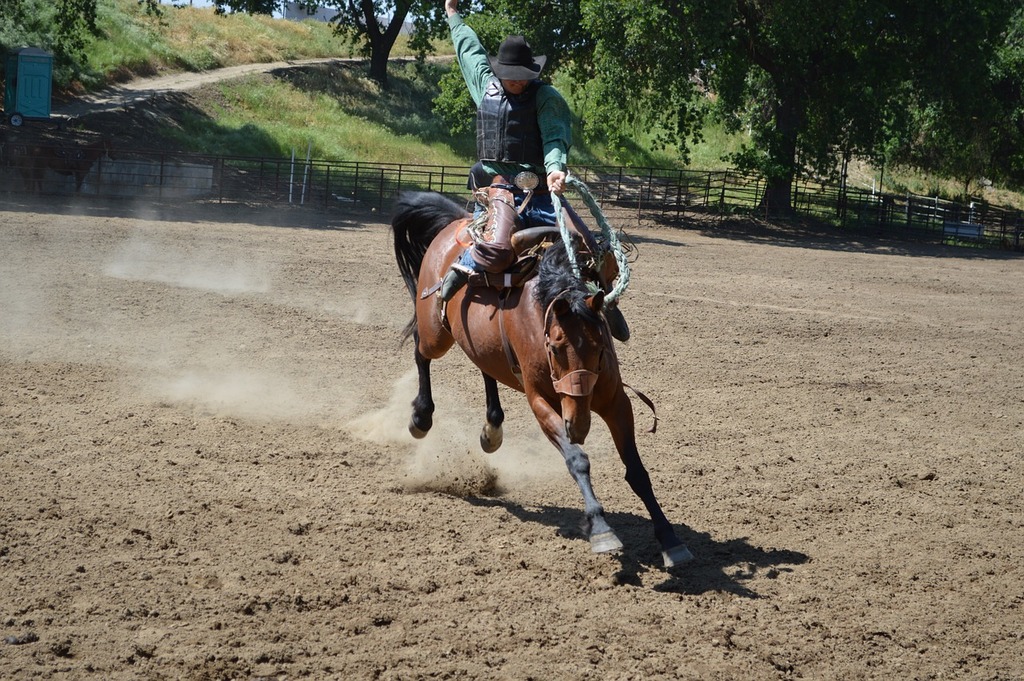
At Never Done Farm, we believe good horse training begins with understanding the individual horse and establishing clear, consistent communication.
Horse training is about more than teaching a horse to follow commands. Effective training helps create communication, confidence, trust, and consistency between horse and handler. Whether you are working with a young horse, improving an experienced horse’s manners, or preparing for equestrian activities, a thoughtful training approach can make the process safer and more rewarding.
Start With the Basics
Before advanced riding exercises are introduced, a horse should understand fundamental cues and basic handling.
Simple skills such as leading calmly, standing quietly, backing up, yielding to pressure, and respecting personal space create a foundation for more advanced training.
Training sessions do not always need to be long. Short, focused sessions can often be more productive than lengthy sessions that leave the horse mentally or physically tired.
Consistency is especially important. A horse may become confused if the same behavior is encouraged one day and discouraged the next.
Use Clear and Consistent Cues
Horses learn through repetition, timing, and association.
Handlers should try to make cues as clear as possible. When a horse responds correctly, releasing pressure or providing an appropriate reward helps reinforce the desired behavior.
Good timing makes training easier for the horse to understand.
Avoid continuously increasing pressure when the horse has not yet understood what is being requested. Instead, consider whether the cue is clear and whether the exercise needs to be broken into smaller steps.
Build Confidence Through Groundwork
Many important training lessons can be taught before a rider gets into the saddle.
Groundwork helps horses learn to respond to body language, voice cues, pressure, and movement from the handler. Exercises may include leading, backing, yielding the hindquarters, moving the shoulders, standing quietly, and working around safe obstacles.
Our Beginner Horse Training and Groundwork guides explore these foundational exercises in greater detail.
Progress Gradually
Every horse learns at a different pace.
Age, temperament, previous handling, fitness, and past experiences can all influence how quickly a horse understands a new exercise.
Training should progress from simple tasks toward more challenging ones. Asking for too much too quickly can create frustration for both horse and handler.
When introducing new skills, repeat familiar exercises alongside new ones. This can help maintain confidence while gradually expanding the horse’s abilities.
Remember Physical Wellbeing
Training cannot be separated from overall horse care.
A horse that is uncomfortable, poorly fitted with equipment, overly tired, or experiencing health problems may struggle to perform normally. Nutrition, hoof care, veterinary attention, appropriate exercise, and suitable equipment all contribute to a horse’s ability to learn and work comfortably.
For more information about maintaining your horse’s overall wellbeing, visit our Horse Care guide.
Make Training a Partnership
Successful horse training develops over time. Progress is rarely perfectly linear, and some horses require additional repetition before a skill becomes reliable.
Remain patient, observe your horse carefully, and prioritize clear communication and safety. If behavioral or training problems exceed your experience, consider working with a qualified equine trainer.
Explore more practical equestrian advice, riding information, and horse-management resources on the Never Done Farm homepage.