
Horse Health & Wellness: Supporting Your Horse at Every Stage
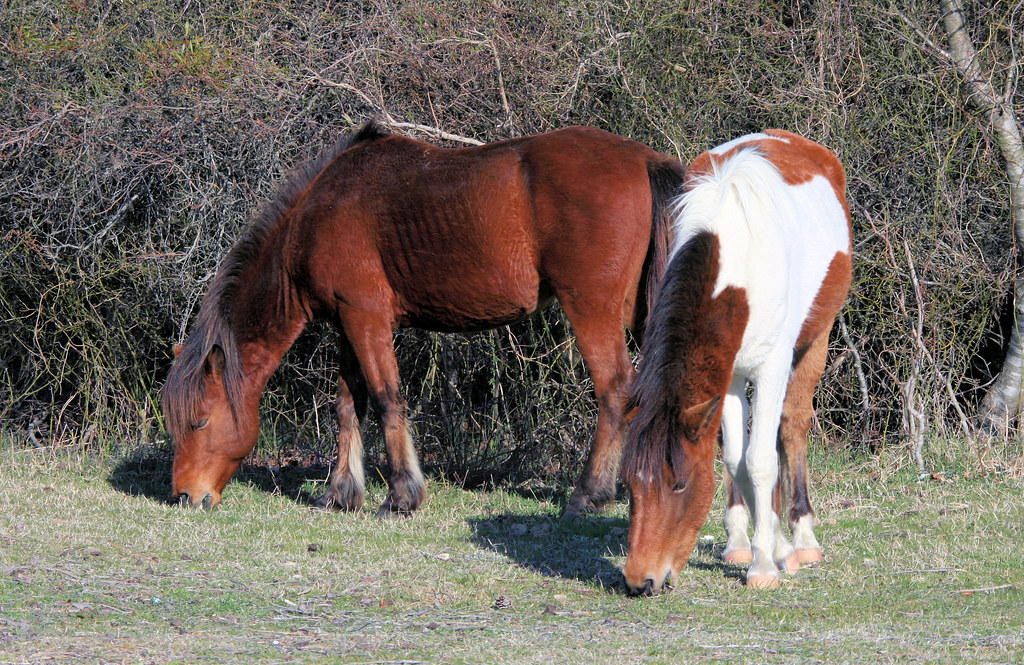
Maintaining good horse health requires a combination of daily observation, preventive care, suitable nutrition, regular movement, proper hoof management, and professional veterinary support.
Because horses cannot tell us exactly when something feels wrong, owners and caregivers need to become familiar with their normal behavior and physical condition.
At Never Done Farm, we encourage horse owners to view equine wellness as an ongoing process rather than something considered only when a horse becomes ill.
Know What Is Normal for Your Horse
Every horse is different.
Knowing your horse’s normal appetite, behavior, movement, energy level, drinking habits, and general appearance makes unusual changes easier to recognize.
Spend a few minutes observing your horse every day.
Changes in appetite, posture, movement, behavior, manure, breathing, or willingness to exercise can sometimes indicate that further assessment is needed.
When a horse shows significant or persistent signs of illness, discomfort, or injury, contact a qualified veterinarian.
Schedule Preventive Veterinary Care
Preventive care is an important component of horse health and wellness.
Veterinary requirements vary depending on geographic location, lifestyle, travel, age, and exposure to other horses. A veterinarian can recommend an appropriate schedule for examinations and vaccinations based on individual circumstances.
Regular health checks may also help owners discuss changes in body condition, mobility, performance, or behavior before they become larger concerns.
Dental examinations should also form part of an appropriate health-management program because dental condition can influence chewing and feeding.
Pay Attention to Hoof Health
The old equestrian saying about the importance of healthy feet has considerable practical value.
Horse hooves require regular attention. Hoof growth, workload, terrain, conformation, and whether the horse is barefoot or shod can influence the frequency and type of hoof care required.
Work with a qualified farrier or hoof-care professional and inspect your horse’s feet regularly.
Picking out hooves also gives you an opportunity to notice stones, cracks, unusual odors, tenderness, or other abnormalities.
Encourage Appropriate Exercise
Movement contributes to overall equine wellness.
Regular turnout gives many horses opportunities to walk, graze, interact, and move naturally. Riding, groundwork, conditioning, or other structured exercise can provide additional physical and mental stimulation.
Exercise should suit the horse’s age, fitness level, health, and workload.
Increase demanding exercise gradually and allow appropriate recovery after strenuous activity.
Maintain a Healthy Environment
A horse’s surroundings directly influence its wellbeing.
Keep stalls, shelters, turnout areas, fences, feeders, and water sources reasonably clean and safe. Good barn ventilation helps reduce excessive dust and moisture accumulation.
Pastures should be inspected for hazards, damaged fencing, and potentially toxic plants.
Social interaction and mental stimulation can also be important. Horses are social animals, although suitable management arrangements depend on the individual animal and facility.
Take a Whole-Horse Approach
Horse wellness is the result of many small management decisions working together.
Nutrition, exercise, hoof care, veterinary support, grooming, environment, and everyday observation all contribute to maintaining a healthy horse.
No online guide can replace professional veterinary diagnosis or treatment, but good daily management can help owners recognize problems sooner and make informed decisions.
Explore additional horse-care advice and equestrian resources on the Never Done Farm homepage.