
Beginner Horse Training: Essential Skills to Start With
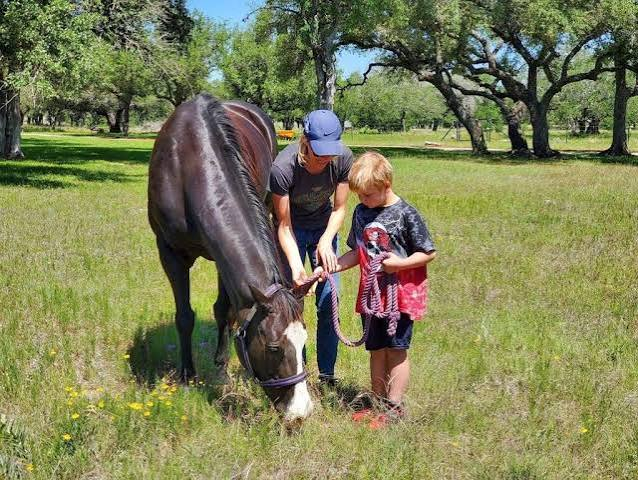
Beginning horse training can be exciting, but it also requires patience, consistency, and an understanding of how horses learn. Before focusing on advanced riding or performance skills, horses should develop basic manners and learn how to respond safely to everyday handling.
For new handlers, successful horse training is often less about complicated techniques and more about communicating clearly.
At Never Done Farm, we recommend starting with simple exercises that build trust and establish expectations.
Teach Your Horse to Lead Calmly
Leading is one of the most fundamental horse-training skills.
A horse should learn to walk beside the handler without rushing ahead, dragging behind, crowding, or pulling away.
Begin in a safe enclosed area. Encourage the horse to move forward when asked and stop when you stop. Maintain enough space between yourself and the horse to avoid being stepped on or pushed.
Practice changing direction and stopping frequently.
The goal is not simply to move the horse from one location to another. Leading helps establish communication that can carry into future training exercises.
Practice Standing Quietly
A well-trained horse should become comfortable standing quietly for routine activities.
This is useful during grooming, veterinary examinations, hoof care, saddling, mounting, and other everyday situations.
Start with short periods of standing still and gradually increase the duration.
Reward calm behavior while avoiding unnecessary movement around the horse that may make the exercise confusing.
Introduce Yielding to Pressure
Horses can learn to move away from gentle, controlled pressure.
For example, a handler may teach a horse to move its hindquarters, shoulders, or entire body in response to a cue.
Begin with light pressure and increase gradually until the horse attempts the correct response. Release the pressure as soon as the horse responds.
The release helps the horse understand which action was correct.
Teach Backing
Backing is another useful beginner exercise.
Ask for only one or two controlled backward steps initially. The horse should remain calm and move without rushing.
Backing can improve responsiveness and help reinforce the idea that the horse should pay attention to the handler’s cues.
As training improves, additional steps may be introduced.
Keep Training Sessions Short
Beginner training does not require hours of repetitive work.
Short sessions of approximately 10 to 20 minutes may be enough for many introductory exercises, depending on the horse and activity.
End sessions after a successful attempt whenever practical. Finishing on a positive note can help keep training productive.
If a horse becomes frustrated or distracted, returning to an easier exercise may be more effective than continuing to repeat a difficult task.
Prioritize Safety
Always train horses in a suitable environment with safe footing and enough space.
Wear appropriate footwear and avoid wrapping lead ropes around your hands or body. Understand basic horse body language and remain aware of the horse’s position.
Beginners who are uncertain about handling techniques should seek guidance from an experienced trainer or riding professional.
Good horse training develops gradually. By establishing leading, standing, yielding, and backing skills first, handlers can create a strong foundation for later groundwork and ridden training.