
Riding Apparel: Essential Clothing and Equipment for Horse Riders
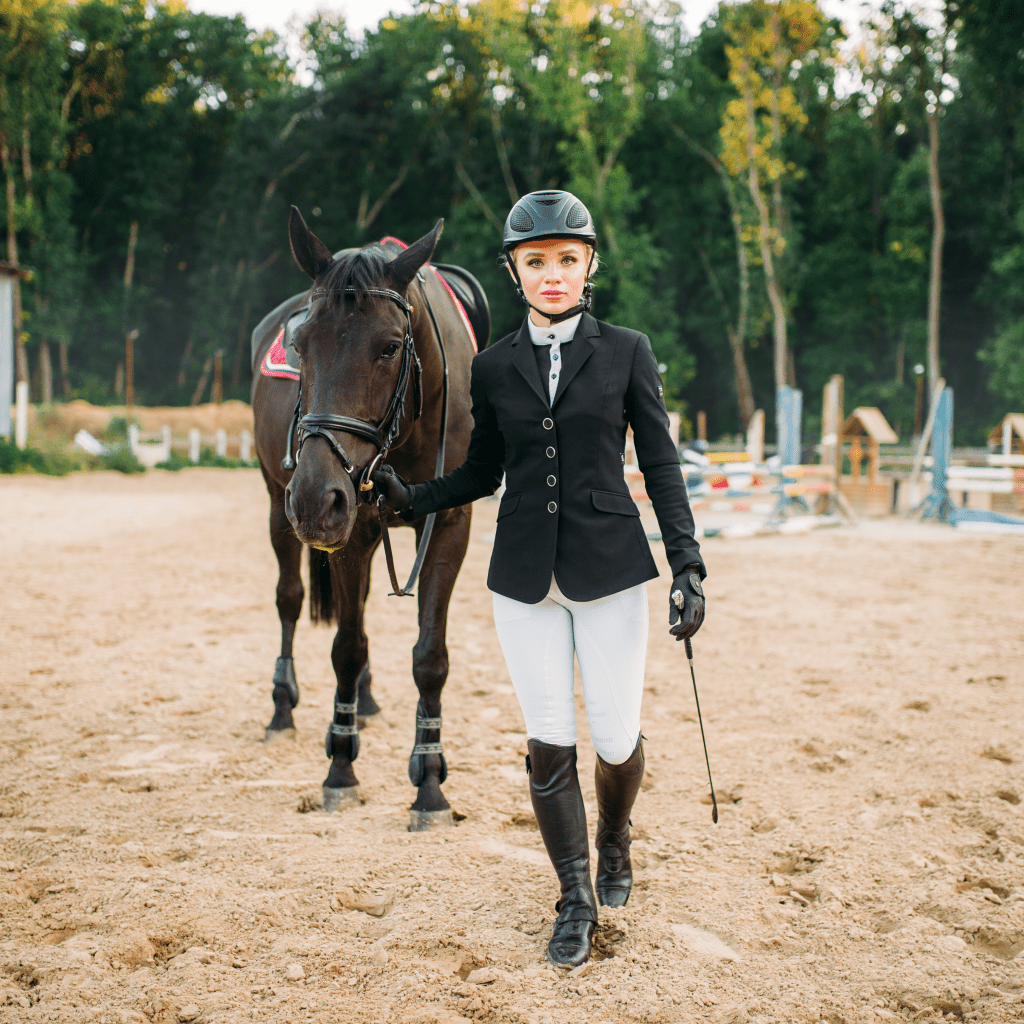
Appropriate riding apparel is about more than achieving the traditional equestrian look. The clothes and footwear riders choose can influence comfort, mobility, grip, protection, and overall safety around horses.
Whether you ride occasionally, train regularly, or compete in equestrian sports, selecting suitable apparel can make time in the saddle more comfortable and practical.
Start With a Riding Helmet
A riding helmet is one of the most important pieces of rider safety equipment.
Choose a helmet designed specifically for equestrian activities and ensure it fits correctly. A helmet that is too loose may move during riding, while one that is too tight can become uncomfortable.
Safety standards and competition requirements can differ between organizations and locations, so riders should check the applicable rules when participating in organized events.
Helmets can also require replacement after certain impacts or after prolonged use. Follow the helmet manufacturer’s instructions regarding care and replacement.
Choose Suitable Riding Boots
Riding footwear should provide support while remaining practical around horses.
Traditional options include tall riding boots and paddock boots, often combined with half chaps.
A defined heel is commonly preferred for mounted riding because appropriate footwear can help reduce the possibility of the foot sliding too far through the stirrup.
Avoid loose footwear that can interfere with mounting, walking, or stirrup use.
Breeches and Riding Pants
Riding pants are designed to allow freedom of movement while reducing unnecessary seams or fabric bunching between the rider and saddle.
Popular options include:
- Breeches
- Jodhpurs
- Riding tights
- Full-seat riding pants
- Knee-patch breeches
The appropriate choice depends on discipline, weather, personal preference, and the type of riding being performed.
Comfort and mobility should remain priorities.
Gloves and Upper-Body Clothing
Riding gloves can improve rein grip while helping protect the hands from friction.
Upper-body clothing should allow unrestricted movement. Shirts, polos, jackets, and riding coats designed for equestrian use may include breathable or flexible materials.
During colder weather, layering can provide warmth without excessive bulk.
In hot conditions, lightweight and breathable clothing can help riders remain more comfortable.
Additional Protective Equipment
Some activities may justify additional protection.
Protective riding vests or body protectors are commonly associated with disciplines involving greater impact risks, including jumping and cross-country riding.
Reflective or high-visibility equipment can also be useful when riding near roads or in conditions where visibility is reduced.
The equipment needed should reflect the type of riding being performed.
For additional information about saddles, bridles, helmets, tack and other essential equipment, explore our Horse Gear & Equipment guide.
Riding apparel should ultimately support the rider rather than restrict them. Focus on proper fit, practical materials, suitable footwear, and appropriate protective equipment for the activity.